Recover SEO After AI Content: Audit and Recovery Guide
A technical remediation protocol detailing how to audit scaled AI content, execute the four-action framework, and recover search visibility across core updates.
Sites categorized as AI content farms saw 60% to 80% traffic drops following the March 2026 core update.1
Diagnosing Traffic Drops in Search Console
Compare Search Console data from before March 27 against data after April 8, 2026, to assess the March 2026 core update's impact. Whole-site drops frequently stem from technical issues like robots.txt misconfigurations, noindex tags, manual actions, or incorrect redirects.13
Executing the Four-Action Content Audit Framework
The four-action framework for content audits evaluates pages to keep, update, consolidate via 301 redirects, or delete. Google catches sites that alter article publication dates without executing real, substantive content updates.1
Technical Pruning and Crawl Budget Optimization
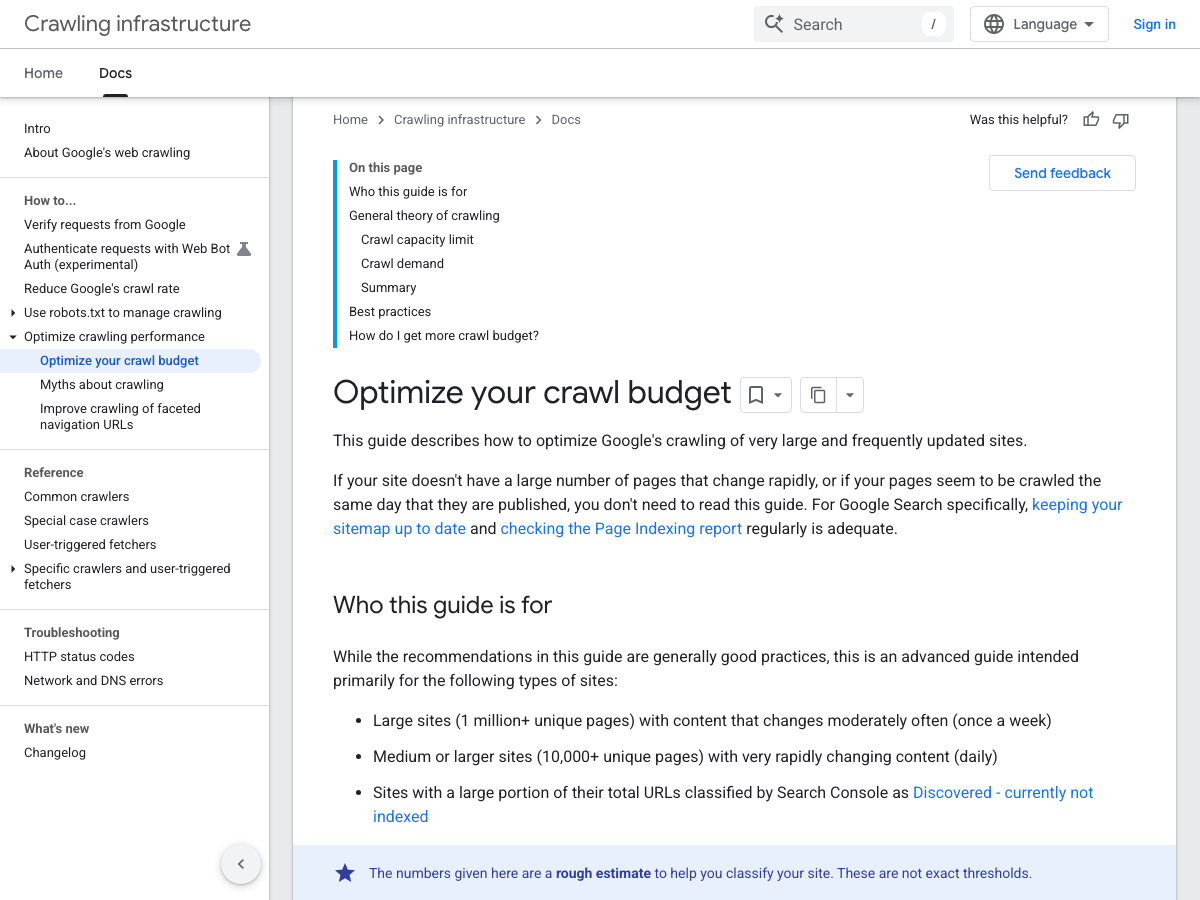
Returning a 404 or 410 HTTP status code serves as a strong signal to Google not to crawl that URL again. Google advises against using noindex to manage crawl budget because Googlebot still requests the page before dropping it upon encountering the noindex directive. Soft 404 pages waste crawl budget because Google continues crawling them.4
Restoring E-E-A-T and Original Research
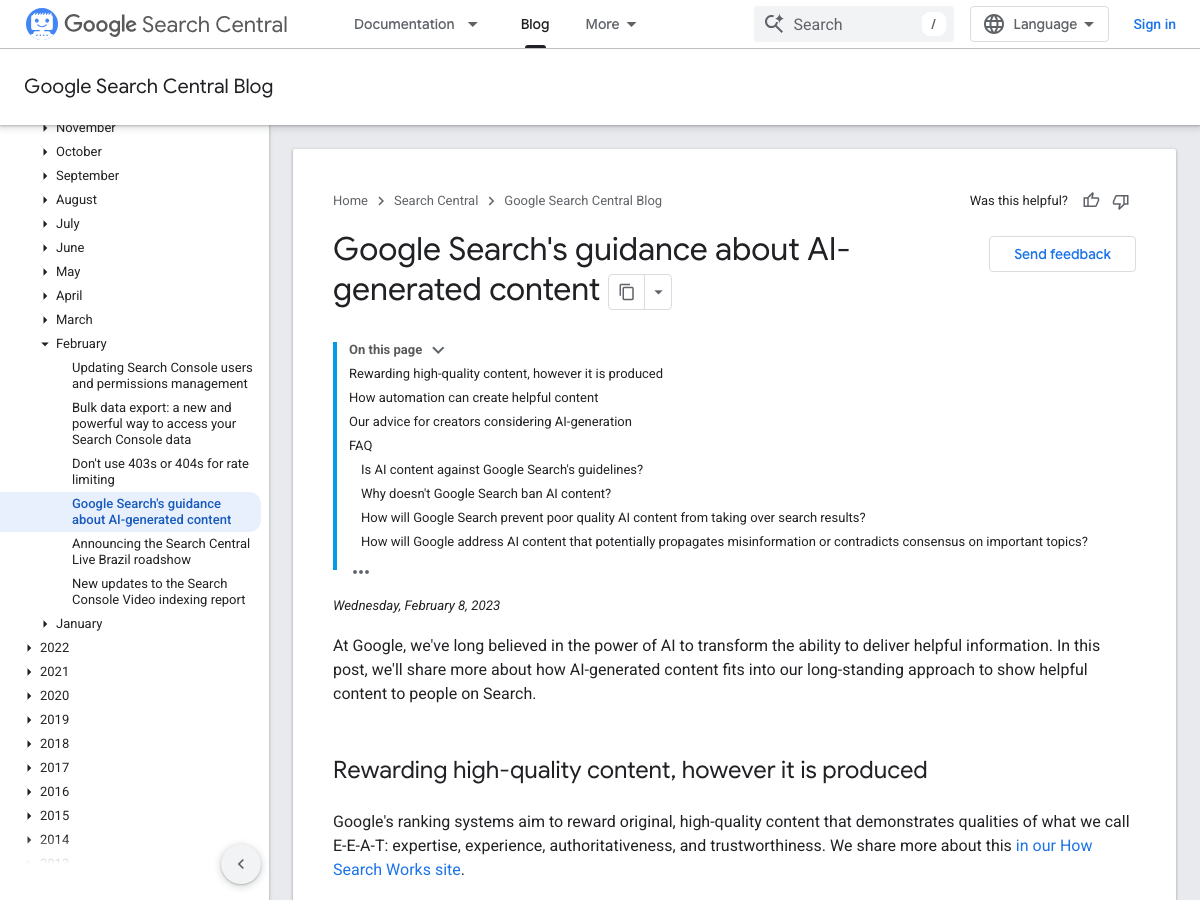
Google's ranking systems seek to reward original, high-quality content demonstrating E-E-A-T: expertise, experience, authoritativeness, and trustworthiness. Google uses its SpamBrain system alongside other systems to analyze signals and patterns to identify spam content regardless of how it is produced. Original research content experienced an average visibility increase of 22% across 32 B2B SaaS sites after the March 2026 core update.51
Setting Realistic Recovery Timelines
Recovery requires patience. Google's core update guidance states that site improvements can take several months to register, often requiring the site to wait until the next core update.2
Audit AI-generated inventory into the four buckets and apply HTTP 410 or 404 codes to deadweight URLs immediately to release crawl capacity. Update remaining assets with original research before subsequent core update cycles begin.14
Questions
Does AI-generated content affect SEO?
Google uses its SpamBrain system alongside other systems to analyze signals and patterns to identify spam content regardless of how it is produced. Google's ranking systems seek to reward original, high-quality content demonstrating E-E-A-T.
Does Google SEO punish AI content?
Sites categorized as AI content farms saw 60% to 80% traffic drops following the March 2026 core update. Google targets unoriginal scaled publishing under its spam policies, while rewarding content demonstrating E-E-A-T.