 3AM Marketer
Judge Dismisses AI Overview Antitrust Suits Against Google
Federal courts dismissed publisher antitrust claims against Google AI Overviews, confirming Google has no contractual obligation to deliver search referral traffic.
Federal Judge Amit P. Mehta dismissed antitrust lawsuits against Google from Chegg and Penske Media Corporation on October 1, 2026, finding that publishers have no contractual entitlement to search referral traffic.123


The dismissed actions, Chegg Inc. v. Google LLC (No. 25-cv-543) and Penske Media Corp. v. Google (No. 25-cv-3192), alleged that Google abused monopoly power by forcing publishers to supply content for AI Overviews without pay under the threat of losing visibility. Judge Mehta rejected the reciprocal dealing claims under Sherman Act Section 1, concluding that publishers failed to plead any agreement where Google promised to deliver or sell traffic. He established that an expectation is not an agreement, stating it is simply how a general search engine operates, and observed that antitrust laws cannot replace legislative solutions for the economic effects of new innovation.1234
The 34.5% CTR impact documented in court filings
Penske Media filed its 101-page complaint on September 12, 2025, alongside 14 subsidiary publications including Rolling Stone, Variety, Billboard, Deadline, and The Hollywood Reporter. The filing cited Google market-share metrics of 89.2% across search and 94.9% on mobile devices, while noting that the C4 dataset supplied 12.5% of the training data for Google's LaMDA model.1
The complaint documented traffic damage, reporting that roughly 20% of search queries displaying Penske links included an AI Overview during late 2024 and early 2025. It cited an Ahrefs analysis estimating a 34.5% reduction in click-through rates from AI Overviews, while publisher network Chartbeat recorded a 40 percent year-over-year decline in Google search referral traffic. Penske Media valued the AI content licensing market at $30 billion by 2034 and indicated plans to refile the action.13
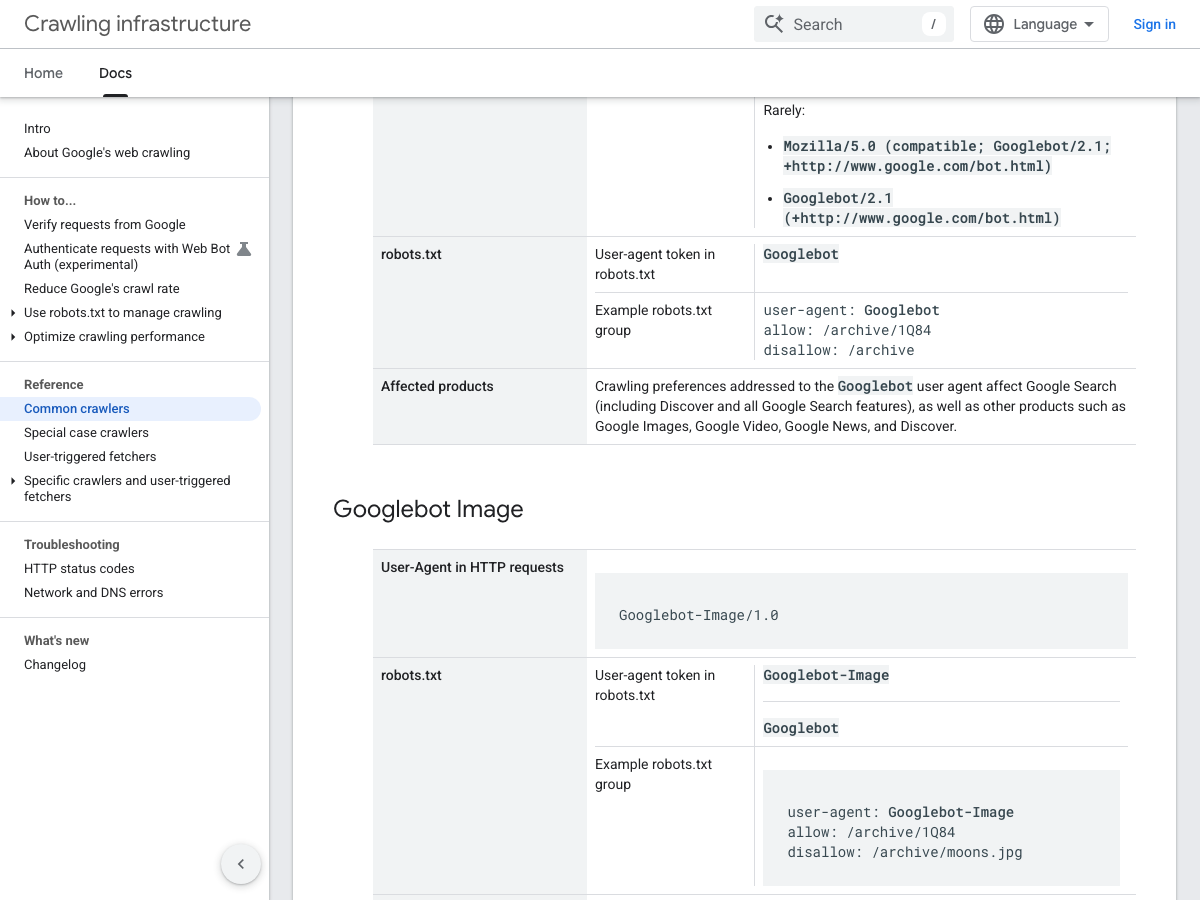
Robots.txt controls via Google-Extended
Google finalized the worldwide rollout of its publisher AI search opt-out on August 31, 2026, following a June announcement prompted by UK antitrust orders and a European Commission inquiry. Web publishers can use the standalone robots.txt user-agent token Google-Extended to manage whether their crawled content trains future Gemini models or supplies grounding. Google documentation confirms that using Google-Extended does not impact inclusion or search ranking signals.56
Telemetry protocols and generative engine optimization
With courtroom claims falling short, publishers are shifting toward generative engine optimization, defined as the practice of making web content easy for AI search systems to find, understand and cite. Outside proprietary pilot programs where The Information reported Google pays around 100 publishers for AI contributions, broader groups are pursuing independent standards.27
On October 2, 2026, the SPUR coalition released version 1.0 of its content telemetry standard. Formed in March 2026 by publishers including BBC, The Guardian, Financial Times, Sky, Associated Press, The Times of London, and MediaHaus, the SPUR protocol defines processes for recording content retrieval, grounding, citation, presentation, and audience engagement inside an AI system.1