 3AM Marketer
Why Banks Are Blocking Unauthorized AI Agents
Financial institutions are blocking AI agents that rely on credential sharing, transitioning to read-only API access and FAPI standards to mitigate security risks.
Major U.S. financial institutions, including JP Morgan, Bank of America, Citi, and Morgan Stanley, have detected third-party AI agents operating inside customer accounts. The inability to distinguish between human and bot traffic is forcing institutions to block this technology and revise their terms of service.12


The primary security challenge for financial institutions is attribution. When a customer provides login credentials to an AI agent, the agent becomes indistinguishable from the customer, leaving the bank unable to tell whether activity originates from a human user or an automated system.13
Why screen scraping creates critical vulnerabilities
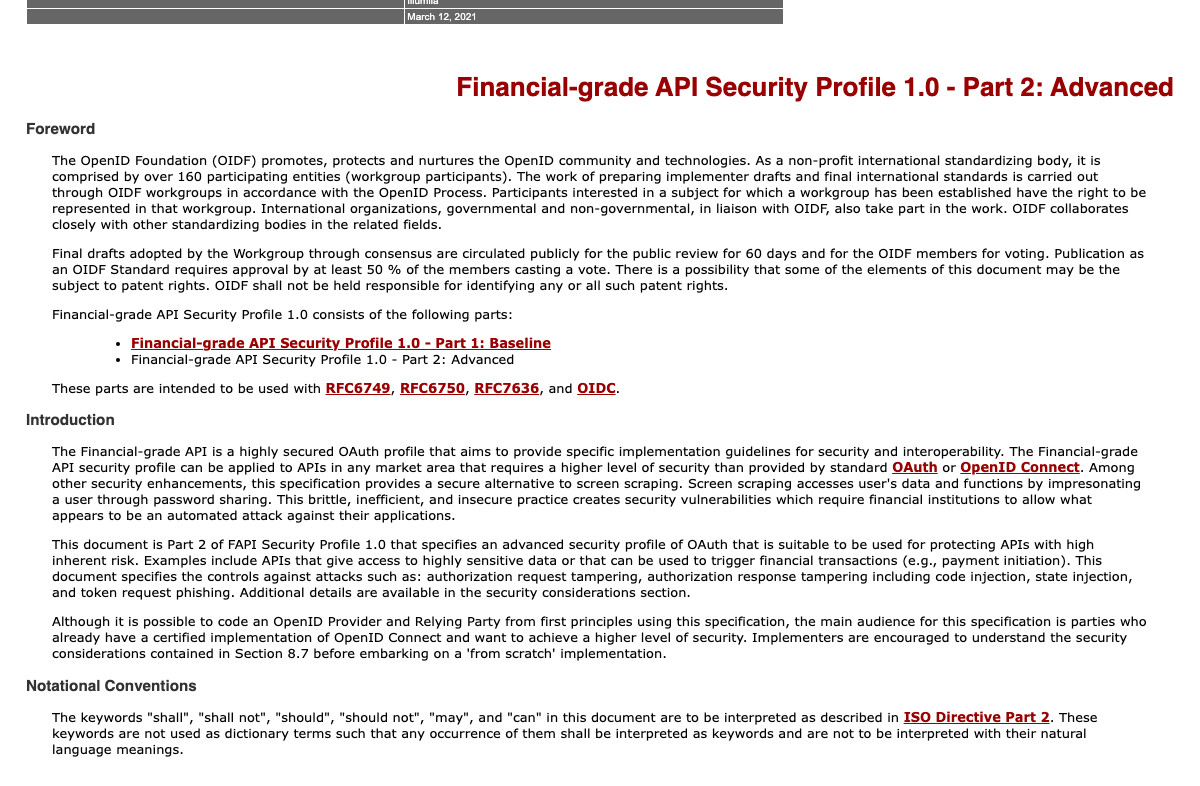
Screen scraping accesses user data and functionality by impersonating a user through password sharing. The OpenID Foundation characterizes this practice as brittle, inefficient, and insecure because relying on shared passwords creates direct security vulnerabilities.4
Technical solutions: FAPI and DPoP
To secure third-party integrations, the industry is turning to hardened authentication specifications. The Financial-grade API (FAPI) security profile provides a higher level of security than standard OAuth or OpenID Connect for high-risk API use cases. RFC 9449 introduces Demonstrating Proof-of-Possession (DPoP), an application-level mechanism that enables an OAuth client to prove possession of a private key. DPoP stops unauthorized parties from using leaked or stolen access tokens by binding tokens to a public key upon issuance and verifying the client holds the matching private key, preventing replay attacks.45
How banks mitigate agent access risks
Financial institutions are shifting from raw credential access to constrained integration models to limit operational exposure.13
| Access Method | Credential Mechanism | Attribution Capability | Risk Profile |
|---|---|---|---|
| Screen Scraping | Raw password sharing | Indistinguishable from human user | High security vulnerabilities |
More on Screen Scraping
| |||
| Read-Only API Access | Constrained API tokens | Separates viewing from transactional execution | Interim risk mitigation |
More on Read-Only API Access
| |||
| FAPI with DPoP | Public-private key binding | Sender-constrained client verification | High security standard |
More on FAPI with DPoP
| |||
Most banks have authorized or are currently moving toward read-only access that allows external tools to view financial data without executing transactions. Because full write access via customer credentials presents elevated risks, organizations must abandon credential-sharing automations and transition integration roadmaps to read-only APIs and sender-constrained token standards.13